Reading the Field
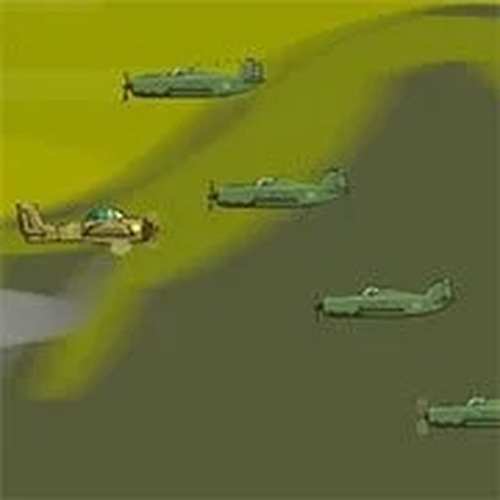
Sky Scout Precision Challenge is built around a single, repeatable decision: when to move and when to act. Players control a scout character on a static screen, steering around obstacles while interacting with targets. The two tasks compete for attention, so a clear path might close if you wait too long, and a target might vanish if you rush. That tension between patience and speed defines every stage.
Stage Structure and Difficulty
Early stages introduce the controls and simple target patterns, giving new players room to adjust. Later arrangements become denser and less predictable. Some stages funnel movement through narrow gaps between hazards; others use targets that appear and disappear on a timer. The difficulty curve adds complexity gradually rather than all at once, so the game stays approachable while still asking for sharper timing.
Planning Over Reflexes
Pattern recognition matters as much as precise input. Repeating obstacle sequences can be learned and routed in advance, much like a puzzle. A rushed approach usually produces mistakes, while a methodical plan tends to hold up. The game rewards thinking a few steps ahead, which suits players who want a mental challenge alongside a physical one.
Presentation and Audience
The visual style is clean and colorful, with characters and obstacles clearly separated from the background. Light audio cues signal successful hits or near-misses without pulling focus. Because the action is based on timing and accuracy rather than conflict, the game is designed to be accessible across a wide age range. Simple controls let younger players start quickly, while later stages offer enough depth for older players.






Comments
0 comments