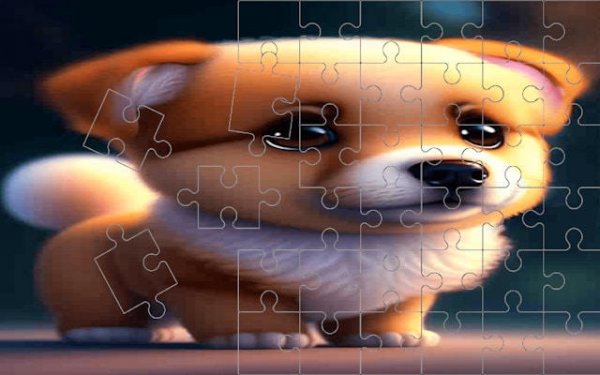
Rebuilding Photos One Slide at a Time
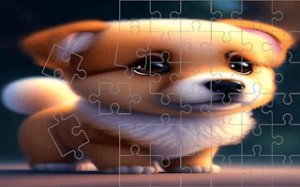
Each puzzle starts with a dog photograph cut into a grid of square tiles. One position is empty. You click or tap a tile next to that gap to slide it over. The goal is to keep shifting tiles until the original picture is whole again. Because there is no countdown clock, you can pause and think through each move without rushing.
Why the Pictures Matter
The photographs show dogs in different settings and poses. Clear, crisp images make it easier to spot where a tile belongs. Every puzzle uses a different photo, so the subject changes each time you play. That variety keeps the solving process from feeling repetitive, and the friendly dog theme gives the game a warm tone.
Controls That Stay Out of the Way
On a computer, you click a tile beside the empty space. On a touchscreen, you tap it. The interface responds immediately, so there is no lag between your action and the tile moving. This simple input scheme means you spend your attention on solving rather than on learning controls.
Thinking Ahead Without Pressure
Sliding puzzles reward planning. A single move changes the position of several tiles, so you learn to think in sequences instead of reacting one step at a time. Since there is no timer or scoring system, you can try different approaches without penalty. That makes the game approachable for beginners and still engaging for experienced solvers who want a quiet challenge.


Comments
0 comments