Building a Character Through Multiclassing
Crypt Legends: Tactical Quest starts with a choice: pick one of several base classes. That decision sets your initial skills, but it is not permanent. The game supports multiclassing, so you can combine talents from different archetypes as you progress. This system rewards experimentation—if direct confrontation is not working, you can shift toward strategic positioning by borrowing abilities from another class. The flexibility means your build reflects how you prefer to solve problems, not a preset role.
How the Crypt Changes Each Run
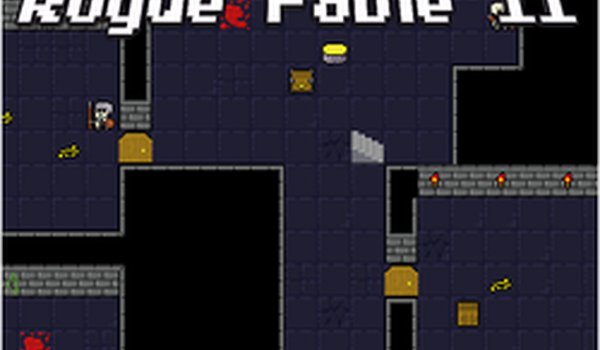
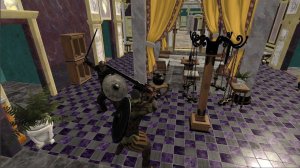
The crypt is not a fixed map. Each playthrough selects different branches, so room layouts and creature placements shift from one run to the next. You cannot memorize a single path and repeat it. Instead, you read each new configuration, decide which rooms to enter, and adapt your tactics to whatever appears. This procedural approach gives repeated runs a different texture, even when you use the same class combination.
Turn-Based Combat and Creature Behavior
Combat is turn-based and built around planning rather than reflexes. The crypt holds many creature types, and each has its own behaviors and weaknesses. Understanding enemy patterns is the difference between a clean fight and a costly one. Abilities are mapped to number keys for quick access. Clicking on your character lets you wait a turn, which matters when you want a better position before committing to an action. The system favors players who think ahead.
Items, Equipment, and Inventory Choices
Throughout the crypt, you find distinct items that boost stats, unlock new abilities, or provide protection. Because item drops vary between runs, the tools at your disposal change each time. That variety forces a decision: what do you equip, and what do you leave behind? Inventory management is not busywork here—it directly shapes how you approach the next encounter.
Session Length and Controls
A full run takes about an hour, which makes the game suitable for players who want a complete experience in one sitting. Controls are straightforward: mouse clicks handle movement and interaction, while keyboard options cover navigation and ability use. Auto-exploration streamlines dungeon crawling, reducing the need to manually walk every corridor. The result is a game that respects limited playtime without stripping out tactical depth.



Comments
0 comments