Pushing Boxes and Pulling Levers
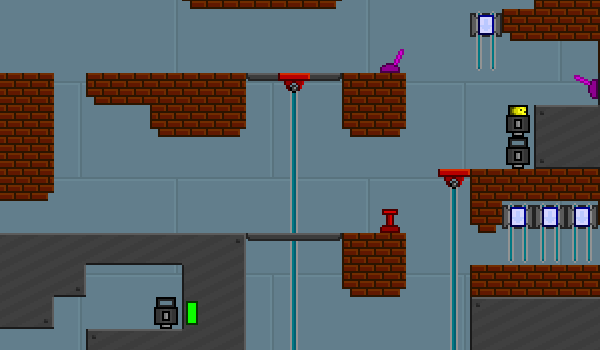
Robot Factory Puzzle Challenge is built around two interactions: pushing boxes and pulling levers. Boxes can be moved to bridge gaps and create walkable paths, or placed to block hazardous zones. Levers activate doors or start machinery. The real challenge is sequencing: a lever might open a door leading to another lever, which then unlocks the exit. Every puzzle is a chain of cause and effect that you must map out before acting.
How the Factory Floors Teach You
Early stages keep things simple with basic box-pushing and single-lever puzzles, so you can get comfortable with the controls. Later floors introduce obstacles that require multiple steps and careful ordering. Some levels use hazards that boxes can block; others involve levers that control several doors at once. Because each new element builds on what you already know, the difficulty rises without feeling overwhelming. You are never thrown into a puzzle that assumes a mechanic you have not seen.
A Bright, Uncluttered Look
The factory setting is clean and modern, with colorful, uncluttered environments that keep your attention on the puzzle. Robot characters are approachable, with simple animations for movement and interaction. Background details like conveyor belts or glowing panels reinforce the industrial theme without pulling focus. The overall presentation supports a calm, focused mood that suits players of all ages.
No Timers, No Penalties
There are no timers, no score penalties, and no permanent loss of progress. A wrong move costs nothing but the time to restart the level and try a different order. That design encourages experimentation rather than caution. Controls are straightforward, typically arrow keys or on-screen buttons, so you spend your attention on solving puzzles instead of mastering inputs. This makes the game accessible to casual players and younger audiences while still offering enough depth for puzzle fans.
Planning Before You Move
Success depends on observation and planning. Survey the whole floor before making a move. Look for patterns: which boxes sit near gaps, which levers connect to which doors. Some puzzles may have multiple solutions, so creative thinking is rewarded. The game quietly teaches you to break a complex problem into smaller steps, an exercise that can sharpen spatial awareness and logical reasoning for children and adults alike.


Comments
0 comments