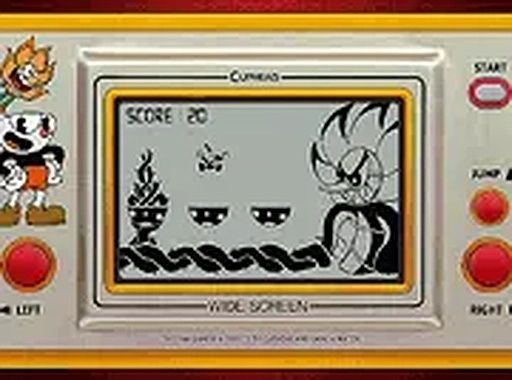
Vintage Console Aesthetic
This title recreates the visual style of early portable gaming devices. The screen uses a limited color palette and blocky pixel art, mimicking the LCD displays common in the 1980s. Each level feels like a tiny diorama, with simple but expressive character sprites and environments that evoke the charm of old-school hardware. The audio design follows suit, with beeps and chiptune melodies that complete the nostalgic atmosphere.
Core Movement and Timing
Players control a small character who must move horizontally and vertically to avoid incoming hazards. The challenge lies in precise timing and quick reactions, as obstacles appear at varying speeds and patterns. There is no complex combo system or inventory to manage. Instead, the focus stays on moment-to-moment decision making, where one wrong step can end the run. This stripped-down design makes the game easy to pick up but difficult to master.
Level Structure and Difficulty
The game presents a series of short stages, each introducing new obstacle arrangements and increasing speed. Later levels require players to recognize patterns and adapt their movement accordingly. The difficulty curve is steep but fair, rewarding repeated attempts and learning from mistakes. There are no checkpoints or continues, so each playthrough demands full attention from start to finish. This structure mirrors the unforgiving nature of classic arcade titles.
Controls and Accessibility
Input is handled through keyboard or mouse, with simple directional commands and a single action button. The interface is minimal, keeping the screen clear for gameplay. A full-screen mode is available for desktop users, which reduces distractions and improves visibility. The controls are responsive, ensuring that failures are due to player timing rather than input lag. This straightforward setup makes the game accessible to players of all ages.
Homage to Gaming History
This project is a fan-made tribute that reimagines a modern action game through the lens of retro handheld technology. It does not attempt to replicate the original's graphics or mechanics exactly. Instead, it asks what that game might have looked like if developed decades earlier. The result is a unique blend of contemporary design philosophy and vintage presentation, offering a fresh perspective for fans of both eras.
Replay Value and Mastery
Because each run is short and challenging, players are encouraged to try again immediately after failing. The satisfaction comes from gradually improving one's performance, memorizing patterns, and achieving longer survival times. There are no unlockable characters or hidden levels, so the core loop remains pure and focused. This design rewards dedication and offers a sense of accomplishment with every small victory.









Comments
0 comments