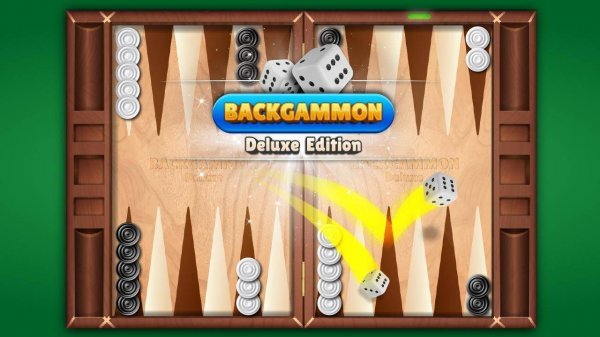
Dice-Driven Piece Movement
Each turn begins with a roll of two dice. The numbers shown determine how many pips, or points, you can move your pieces. You may advance a single piece by the combined total of both dice, or split the two values between separate pieces. This dual-dice system creates a fresh decision every turn, since the best use of a roll depends on your current board position and your opponent's threats.
Capturing and the Bar
A point is open to you if it is empty, already holds your own pieces, or contains exactly one opposing piece. Landing on that lone opponent sends it to the bar. While a piece sits on the bar, its owner must re-enter it into the opponent's home board before making any other move. This re-entry requirement can stall an entire turn, so leaving single pieces exposed carries real risk.
Bearing Off and Winning
Once all your pieces have reached your home board, you begin bearing them off according to your dice rolls. The first player to remove every piece from the board wins the match. Because the endgame depends on exact rolls, players often adjust their home-board setup to reduce wasted pips. The interface presents the board clearly, making it easy to track piece positions and available moves.
Blending Luck with Light Tactics
Chance shapes every roll, but positioning decides how much that chance helps or hurts. Building blockades, avoiding isolated pieces, and moving efficiently toward home all improve your odds. The game supports friendly two-player competition with smooth dice mechanics, and its simple rules make it approachable for newcomers while still offering enough depth for experienced players.







Comments
0 comments