How the Guessing Works
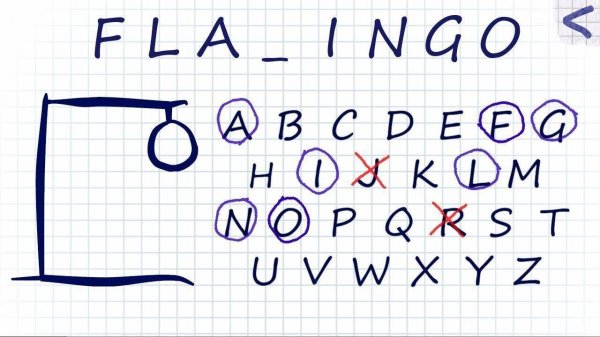
Each round presents a hidden word as a row of blank spaces. You select letters from an alphabet; correct picks appear in their positions, while wrong picks advance a visual drawing. The round ends when you complete the word or the drawing finishes. There is no time limit, so you can think through each choice. The core decision is which letter to try next, balancing common vowels and frequent consonants against the word's length and any letters already revealed.
Modes and Word Variety
The game includes a large collection of words and supports a campaign mode for structured progress. Themed categories—such as animals or food—let you focus on a topic you enjoy. These modes change the vocabulary pool rather than the basic rules, so the challenge shifts with word familiarity. A campaign provides a sense of advancement, while category play offers quick, themed sessions.
Visual and Audio Design
The interface mimics paper and pen, with clean graphics and smooth performance. A calm jazz soundtrack plays in the background to aid concentration. The visual drawing that advances with wrong guesses is a simple, non-graphic sketch, keeping the tone light. [IMG_1] The combination of handwritten-style visuals and mellow music creates a low-pressure atmosphere suitable for casual play or a short mental break.
Approach and Audience
Starting with vowels and common consonants like R, S, T, L, and N often reveals useful patterns. Paying attention to word length and letter combinations helps narrow options. The game is designed for all ages and focuses on vocabulary building without stressful elements. Some versions may include hints or difficulty settings, but the core experience remains accessible. Regular play can improve pattern recognition and spelling over time.






Comments
0 comments