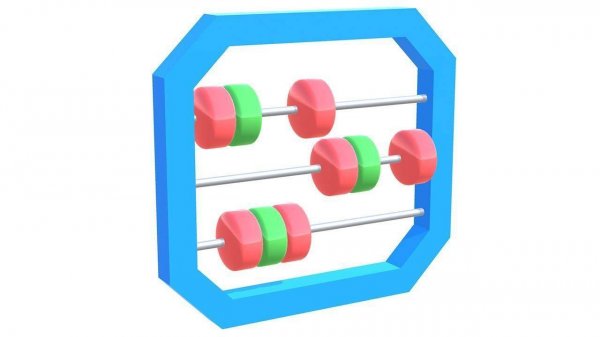
Bead Columns and Color Matching
The board is an abacus-inspired grid of rows and columns filled with multicolored beads. Your task is to make each column contain beads of only one color. When a column reaches that uniform state, its beads merge and disappear. Clearing every bead from the board is the win condition. Because each move shifts the layout, you cannot treat columns in isolation; the bead you remove from one column becomes part of another.
Dragging and Merging
Select any bead with a mouse or touch input, then drag it horizontally to a different column in the same row. Release to drop it into that column. The game responds with visual feedback, and the merge animation confirms when a column is cleared. There is no time limit, so you can study the board before committing to a move. The challenge comes from anticipating how each transfer changes the color balance across the row.
Progression and Complexity
Later levels add more rows and more bead colors. That combination increases the number of possible moves and the likelihood of creating mixed columns by accident. Early boards teach the basic merge rule; later ones demand that you plan several transfers ahead. [IMG_1] The difficulty curve is gradual, giving beginners room to learn while still offering deeper layouts for experienced puzzle players.
Who It Suits
Abacus Merge Puzzle 3D is designed for players who prefer calm, thoughtful puzzles over timed challenges. The clean 3D visuals and quiet interface support that pace. If you enjoy color-matching games where every move matters, this offers a familiar mechanic with an abacus-style presentation. It is family-friendly and accessible, but the later levels reward careful planning rather than quick tapping.










Comments
0 comments