Kitchen Workflow and Order Fulfillment
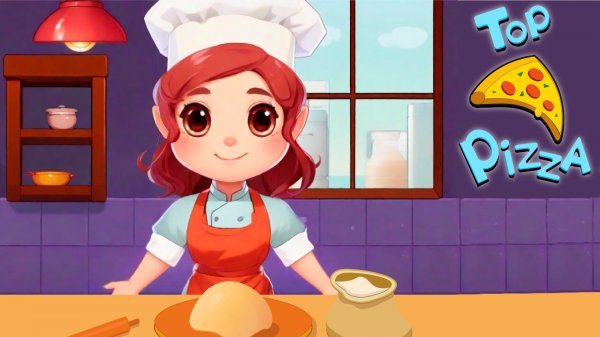
Each shift begins with customer orders appearing on a ticket rail. You control a chef character who moves around the kitchen using keyboard controls. Ingredient bins, ovens, and serving counters are interactive stations. Preparing a pizza means visiting the correct stations in sequence: gather dough and toppings, load the oven, wait for the bake, then deliver the finished pie to the right customer. Speed matters, but accuracy is just as important—wrong ingredients or missed orders cost you points and time. The game keeps a visible timer and order queue, so you always know what needs doing next. [IMG_1]
Progression Through Upgrades and Difficulty
Completed orders earn in-game currency. That money goes into an upgrade shop where you can improve your character's movement speed or make kitchen tools work faster. Upgrades are permanent for your save, so early investments compound over later levels. The difficulty curve is gentle at first—few orders, generous timers—but each new level adds more customers, shorter deadlines, or both. You never face overwhelming chaos without warning; the game ramps up gradually, letting you adjust your routine. Achievements provide optional goals beyond simply finishing a level, such as hitting a streak of perfect orders or earning a set amount of currency. [IMG_2]
Who This Game Suits
Pizza Chef Time Management Challenge is built for short sessions. A single level might take a few minutes, so it fits into a coffee break or a longer play session equally well. The controls are limited to movement and interaction, which makes it accessible to players of all ages. There is no combat, no complex inventory management, and no narrative branching. The challenge comes entirely from time pressure and multitasking. If you enjoy games where you optimize a routine and gradually shave seconds off your completion time, this one targets that exact satisfaction. [IMG_3]







Comments
0 comments