Shifting Blocks to Form a Path
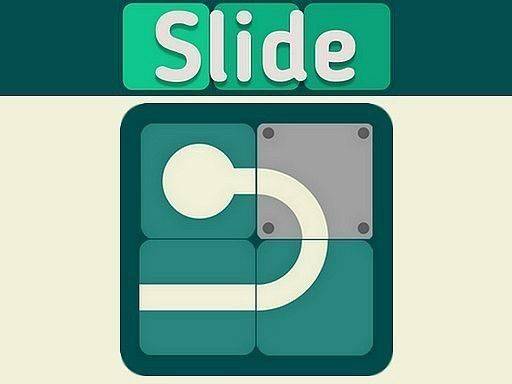
Slide Logic Puzzle asks one clear question per level: how do you rearrange the blocks so a continuous route links the start to the finish? Blocks sit on a grid, and you move them into adjacent empty spaces. The challenge comes from the layout—some arrangements leave very few open squares, so every move changes which options remain. Because each shuffle affects the whole board, solving a level is less about speed and more about seeing which block needs to move first.
No Timers, No Penalties
Nothing in Slide Logic Puzzle pushes you to hurry. There are no countdown clocks, no move limits, and no failure states for wrong attempts. You can slide a block, reconsider, and try a different sequence without losing progress. That design makes the game approachable for children and adults alike, and it suits short breaks as well as longer sessions. The absence of penalties also means experimentation is safe—you learn the board by testing moves rather than by reading instructions.
Progressive Difficulty and Level Variety
Early levels use simple layouts with few blocks, which lets you grasp the sliding mechanic before the grids become crowded. As you advance, additional blocks appear and configurations grow more complex, so the planning demands increase gradually. Each level has a unique arrangement, which keeps the puzzle from feeling repetitive. The difficulty curve is gentle enough that players new to logic puzzles can start comfortably, while later stages offer a genuine mental workout for experienced solvers.
Calm Presentation and Offline Play
The visual style is clean and the color scheme is calming, supporting the game's unhurried tone. Controls are smooth and responsive: you tap or click a block to slide it into an adjacent empty space. Slide Logic Puzzle is free to play, works offline without an internet connection, and contains no advertisements or distractions. That combination makes it easy to pick up during a commute, a quiet moment, or any time you want a focused puzzle without interruptions.




Comments
0 comments