Rolling to Start and Extra Turns
Every turn begins with a single dice roll. A six is the only result that lets you move a token from its starting area onto the board, and it also grants an extra turn. That dual role makes sixes the most valuable roll in the game, but also the one that creates the toughest decision: bring a new token into play or push an existing one forward? The answer depends on where your opponents are and how exposed your tokens have become.
Capturing and Board Position
Landing on a space occupied by an opponent sends that token back to its starting area. This single rule turns a simple race into a positioning puzzle. You want to spread tokens out so a single capture cannot undo too much progress, while also looking for chances to land on rivals. Blocking is not a separate button or ability; it happens naturally when your tokens occupy spaces opponents need.
Playing with Friends or AI
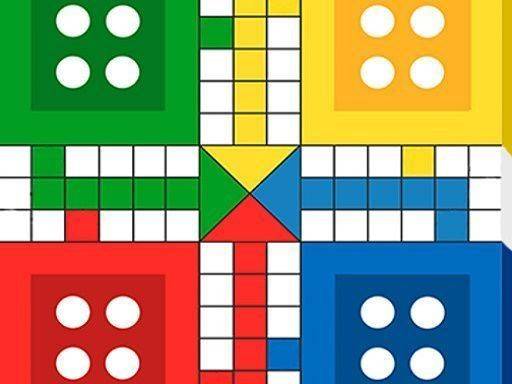
The game supports up to four players in one match. You can challenge friends locally or fill empty seats with AI opponents. The board uses bright colors and clear markings, so tracking which token belongs to which player is straightforward. Controls are simple and designed for all ages, which means the learning curve is almost nonexistent for anyone who has seen a physical Ludo board.
Luck, Strategy, and Who It Suits
Dice rolls decide what you can do, but strategy decides how well you use what you get. Choosing which token to advance, when to introduce a new one, and how to avoid clustering tokens in capture range all matter over a full match. The result is a game that stays approachable for children and casual players while still giving adults something to think about. It is best suited to families, groups looking for a light competitive game, and anyone who wants a digital version of a familiar classic.










Comments
0 comments