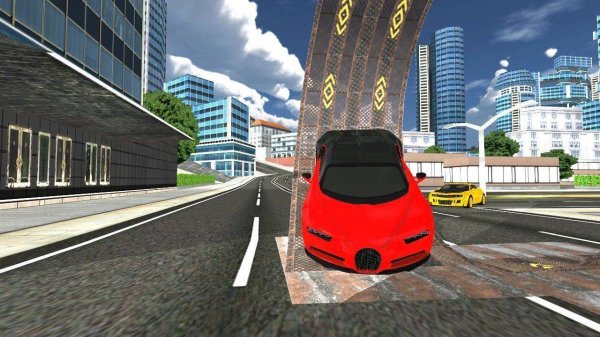
Track Design and Stunt Opportunities
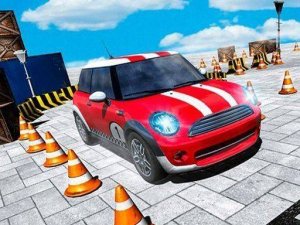
Each track in Stunt Driving 3D Arcade is built around ramps, loops, and barriers that turn ordinary driving into a scoring exercise. Ramps launch the vehicle into the air for stunt attempts, while loops demand sustained speed and precise steering to avoid falling off. Barriers define the racing line and punish sloppy cornering. The layout encourages players to chain maneuvers rather than simply reach the finish line, because points come from how creatively and cleanly the track is used.
Scoring Through Drifts, Stunts, and Coins
Points accumulate from three sources: drifting around corners, performing stunts on ramps and loops, and collecting coins scattered along the route. Drifting rewards controlled cornering, while stunts require committing to a jump or loop and landing cleanly. Coins add a collection incentive that pulls players toward less obvious parts of the track. Because unlocking the next vehicle depends on consistent point totals, the scoring system pushes players to repeat runs and refine their timing.
Vehicle Unlocks and Handling Differences
The garage expands as players reach point thresholds, adding new stunt cars to the roster. Each vehicle is described as having its own handling characteristics, so switching cars changes how drifts initiate, how quickly speed builds, and how stable the car feels on ramps. This variety gives players a reason to experiment rather than settle on one favorite, and it supports replay across short sessions or longer practice runs.
Controls and Difficulty Progression
Players control the car with keyboard inputs or touch controls, using acceleration, braking, and steering as the core actions. The controls are designed to be responsive, making the game easy to start but difficult to perfect. As tracks grow more complex, the timing windows for drifts and stunts tighten, and the margin for error on loops and barriers shrinks. The game provides clear score feedback so players can track improvement over time.






Comments
0 comments