Route Conditions and Terrain
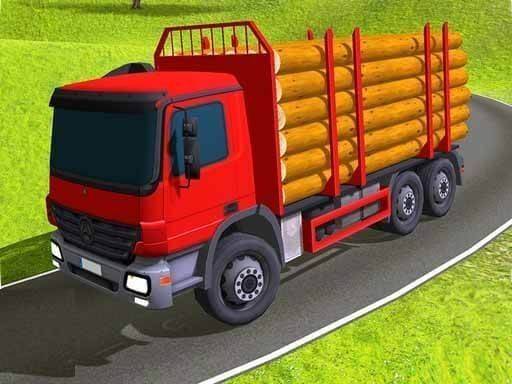
Every delivery in Indian Cargo Truck Simulator 3D runs through environments built to punish careless driving. Mountain passes force you to manage momentum on steep inclines, while jungle paths narrow into tight corridors lined with rocks and trees. The road surface itself becomes a factor: loose gravel, blind corners, and sudden drops demand that you read the terrain ahead rather than react to it. Because each route is a fixed course, learning its specific hazards is part of the job.

Truck Handling and Cargo Weight
The simulation models heavy vehicle physics, so the truck never feels like a light car. Acceleration is slow, braking distances are long, and steering inputs carry weight. When you load cargo, that mass affects how the truck responds on slopes and turns. Sudden braking or sharp steering can shift the load and cause damage, which reduces your score. The practical result is that smooth inputs matter more than speed. You are constantly balancing the clock against the risk of a costly mistake.

Delivery Missions and Progression
Each level hands you a marked destination and a time limit. Reach it with the cargo intact to earn rewards and unlock new trucks and routes. The difficulty curve comes from route design rather than artificial restrictions: later deliveries combine tighter paths, steeper grades, and more obstacles. Multiple truck options change the driving experience, so a vehicle that works well on one route may feel different on another.

Driving Tips That Actually Help
Scan far ahead instead of watching the bumper. On steep climbs, maintain steady throttle rather than accelerating hard and losing traction. On descents, brake early and gently. Keep the truck centered on narrow paths to avoid clipping rocks or trees. Completing a delivery without damage pays better than finishing fast, so treat the time limit as a ceiling, not a target. Practice on earlier routes to internalize how the truck responds before attempting harder ones.






Comments
0 comments